
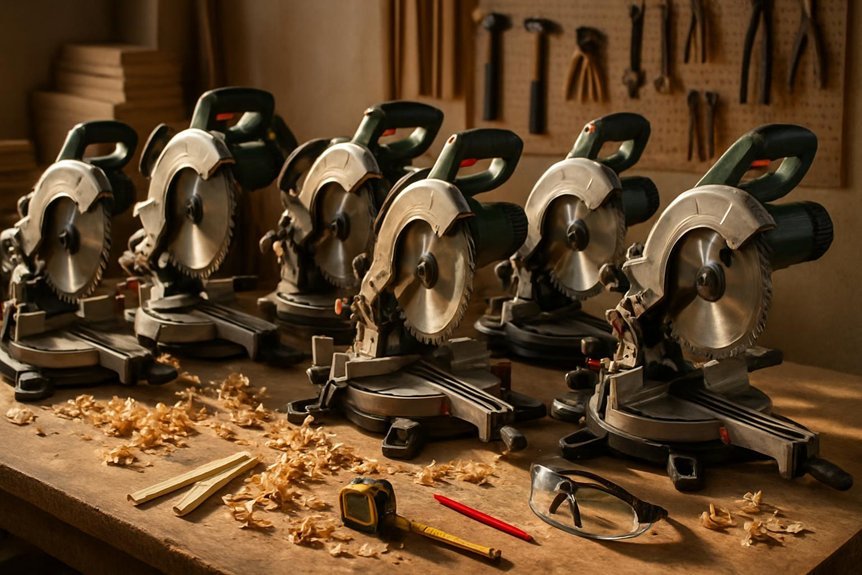
Are you a DIY woodworker looking for the perfect miter saw to elevate your projects?
Whether you’re a weekend warrior or a seasoned hobbyist, having the right tool can make all the difference when it comes to achieving clean, accurate cuts.
In this roundup, we’ve curated a selection of five top miter saws that strike a balance between precision, portability, and affordability, ensuring you can tackle any task without stretching your budget.
Our guide highlights essential features that matter most for DIY enthusiasts, including cordless convenience for easy maneuverability, budget-friendly options that deliver power without the hefty price tag, and versatile dual-bevel capabilities for those tricky angled cuts.
We’ve even included a surprising pick that could revolutionize how you approach your woodworking projects.
Dive in to discover which miter saws made the cut, and find the perfect tool to bring your woodworking visions to life.
Scroll down to explore our top picks and see how they can transform your workshop!
DEWALT 20V MAX XR 10 in. Double Bevel Fixed Miter Saw (Tool Only) (DCS714B)
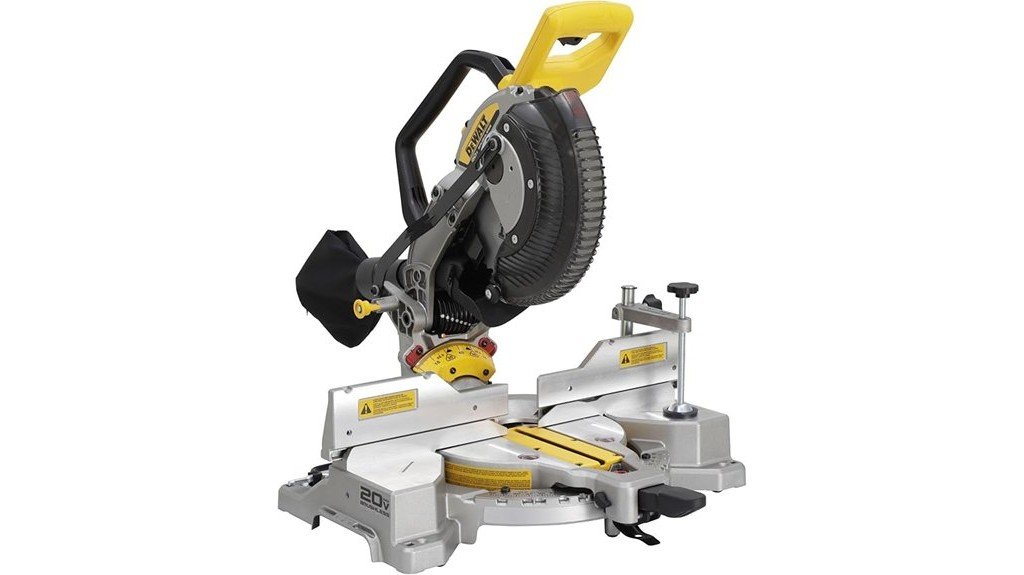
If you’re a DIY woodworker who values cordless convenience without sacrificing cutting power, the DEWALT 20V MAX XR 10 in. Double Bevel Fixed Miter Saw (DCS714B) delivers a strong balance of portability and precision. You’ll appreciate its double bevel capability for fast angle changes, the cutline blade positioning system for adjustment-free accuracy, and a lightweight 34 lb design with a carry handle that eases jobsite moves. Runtime benefits from bevel gear transmission and regenerative braking, while dust collection captures up to 97% of debris. It includes a 10 in. 32T blade, wrench, dust bag, clamp, adapter, and stabilizer bar.
Best For: DIY woodworkers and contractors who need a portable, battery-powered miter saw that balances cordless convenience with precise trim, cabinetry, and jobsite cutting.
Pros:
- Lightweight 34 lb design with carry handle for easy portability between job sites.
- Double bevel capability and cutline blade positioning system deliver fast, accurate angle and miter cuts.
- Efficient power use (bevel gear transmission and regenerative braking) and dust collection capturing up to 97% of debris.
Cons:
- Tool only — batteries and charger sold separately, adding to overall cost.
- 10 in. blade limits maximum cutting depth compared with larger miter saws.
- Battery runtime depends on battery capacity; high-volume professional use may require multiple batteries.
Metabo HPT 10-Inch Single Bevel Compound Miter Saw (C10FCG2)
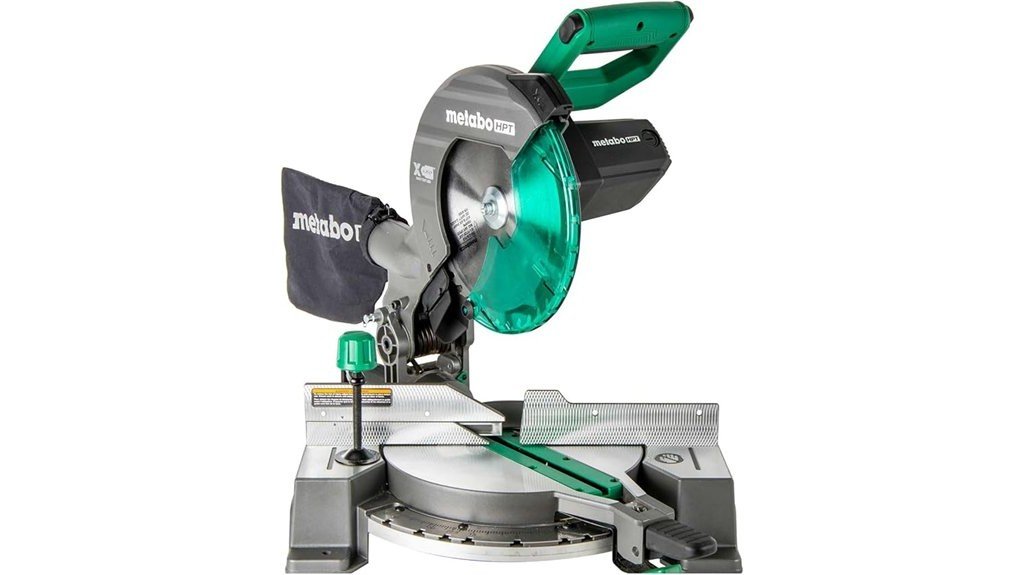
Hardworking DIYers and first-time pros will appreciate the Metabo HPT C10FCG2 for its balance of portability and precision, a combination that makes it a smart choice when you want a reliable jobsite saw without sacrificing accuracy. You get a 15A motor spinning a 10″ 40T TCT blade at up to 5,000 RPM, a compact 24 lb frame, and a 5-year warranty that boosts confidence. The Xact Cut shadow line, improved miter scale, adjustable bevel stops, and vise clamping aid precise work, though some users swap blades, add clamps, and address dust collection for peak performance.
Best For: Hardworking DIYers and entry-level professionals who need a portable, accurate jobsite miter saw balancing portability and precision.
Pros:
- Lightweight 24 lb design with a 15A motor and 5,000 RPM for strong portable performance.
- Precision features like Xact Cut shadow line, improved miter scale, and adjustable bevel stops for accurate cuts.
- Comes with a 40T TCT blade, vise assembly, dust bag, and a 5-year warranty for confidence and value.
Cons:
- Blade changes can be difficult if bolts are over-torqued; many users upgrade or replace the blade for smoother cuts.
- Dust collection is less efficient, often requiring additional shop vacuum or containment solutions.
- May require extra clamps or secure mounting during use to prevent saw movement.
SKIL 10 Dual Bevel Sliding Compound Miter Saw-MS6305-00
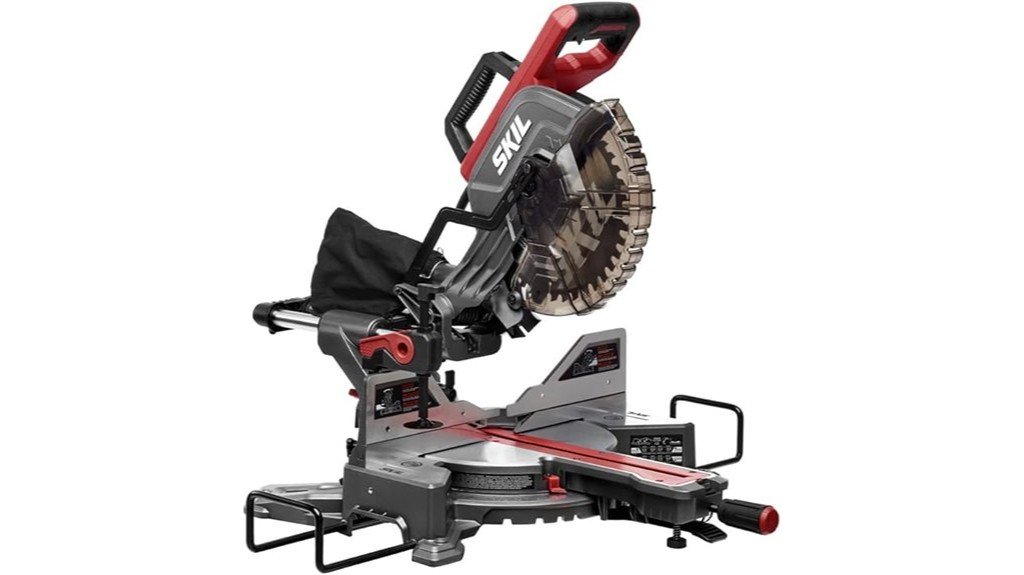
The SKIL 10 Dual Bevel Sliding Compound Miter Saw (MS6305-00) is a strong choice for DIY woodworkers who need a compact, versatile saw that handles common framing and finish carpentry tasks with ease. You get a 15 A, 4,800 RPM motor that cuts 2×12 at 90° and 2×8 at 45°, with dual bevels to 48° left and 45° right. Its LED shadow line improves cut accuracy, tall sliding fences support large molding, and a quick work clamp holds stock securely. At 39.4 lbs it’s portable, backed by a 3-year limited warranty and solid user ratings.
Best For: DIY woodworkers and small contractors who need a portable, versatile miter saw for framing and finish carpentry tasks that balances power and precision.
Pros:
- 15 A, 4,800 RPM motor with sliding dual-bevel design handles crosscuts and larger stock (2×12 at 90°, 2×8 at 45°).
- LED shadow line and tall sliding fences improve cut accuracy and support large moldings (up to 6-1/4″ crown vertically).
- Lightweight (39.4 lbs) with built-in handle, quick clamp, and 3-year limited warranty—good value for DIYers and pros.
Cons:
- Dust collection is often reported as inefficient, requiring additional cleanup or a better vacuum setup.
- Adjustment screws and some fittings can feel less stable than pro-grade saws, needing occasional retightening.
- At 39.4 lbs and with sliding capacity, it’s less compact than trim-only saws, which can affect portability for frequent jobsite moves.
10-inch Compound Miter Saw (15 Amp, 36T Blade)
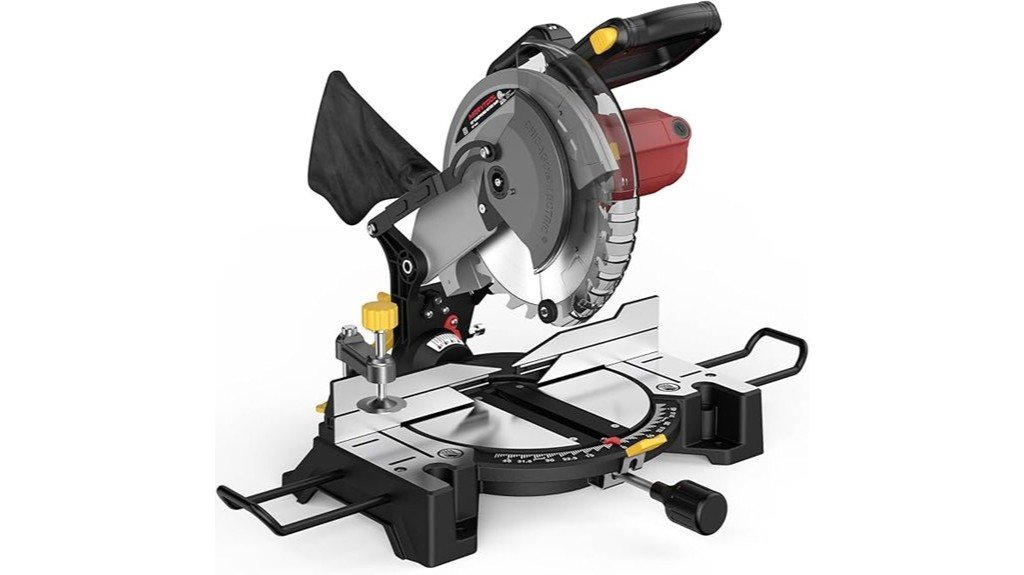
For DIY woodworkers who need a portable yet powerful saw, the Marvtool 10-inch compound miter saw stands out for combining a 15-amp motor with a lightweight, compact design that you can easily move around the jobsite or tuck into a small workshop. You’ll get up to 5,000 RPM and a 36-tooth alloy steel blade that handles wood, soft metal, and plastic cleanly. Dual bevel and miter ranges to 45° let you tackle complex compound cuts, while a transparent guard, vise clamp, and dust bag improve safety and cleanup. At 20.5 lbs with a two-year warranty and 24/7 support, it’s practical and reliable.
Best For: DIY woodworkers and hobbyists who need a portable, affordable miter saw that delivers powerful 15‑amp performance for wood, soft metal, and plastic and handles compound cuts in tight workspaces.
Pros:
- Lightweight and compact (20.5 lbs) for easy transport and storage with head-lock feature.
- Powerful 15‑amp motor (up to 5,000 RPM) and 36T alloy steel blade for clean cuts across multiple materials.
- Dual bevel and miter ranges to 45° plus safety features (transparent guard, vise clamp, dust bag) and a 2‑year warranty with 24/7 support.
Cons:
- 10‑inch, 36‑tooth blade may be slower and require more finishing than higher‑tooth or larger blades for fine woodworking.
- Limited cutting capacity compared with larger miter saws — may not suit heavy-duty or professional framing work.
- Plastic handle and lighter build may feel less robust for intensive daily jobsite use.
Evolution Power Tools 10-Inch Dual Bevel Sliding Miter Saw (R255SMS-DB+)
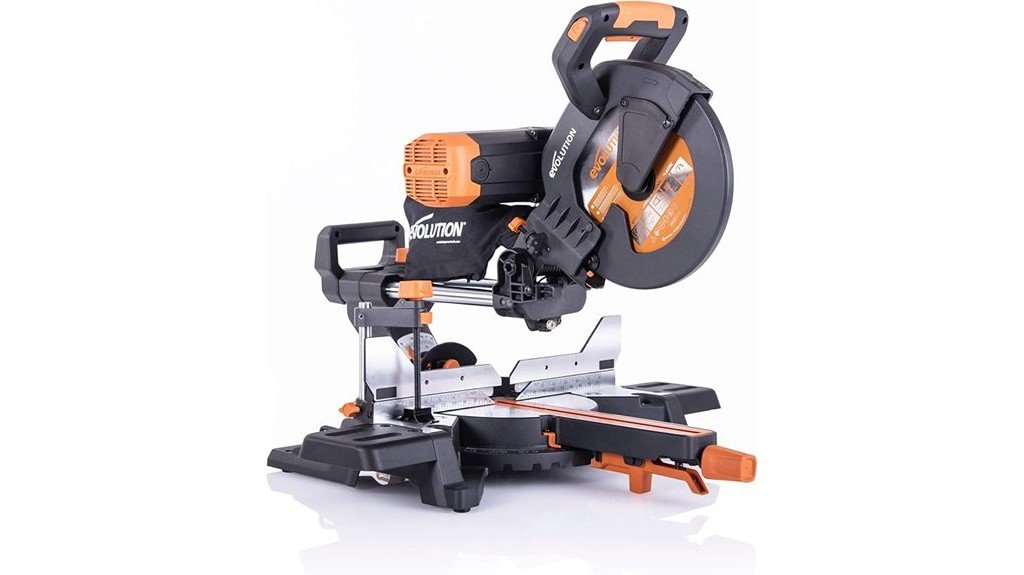
If you regularly tackle mixed-material projects and want a single saw that can cut wood, metal, plastic, and composite decking with confidence, the Evolution R255SMS-DB+ is built for that versatility. You’ll appreciate its 10-inch TCT blade, 1800-watt motor and 2600 RPM that handle mild steel with virtually no sparks and leave cooler, burr-free edges. Dual bevel and wide miter ranges give flexible angles, and soft-start plus easy assembly help steady your cuts. At about 45 pounds it’s portable, backed by a three-year warranty, though some buyers suggest a dedicated metal blade and extra clamps.
Best For: DIYers and contractors who need one portable, multi-material miter saw to cut wood, metal, plastic and composite decking without switching tools.
Pros:
- Multi-material 10″ TCT blade and 1800W motor deliver cool, burr-free cuts in mild steel, wood, and plastics.
- Dual bevel (45° each side) and wide miter range (±50°) plus soft-start for versatile, steady cutting.
- Portable (~45 lb) with generally easy assembly and a strong 3-year warranty.
Cons:
- Some users report occasional missing parts and mixed build-quality/accuracy issues out of the box.
- Included blade is versatile but many recommend buying a dedicated metal or fine-finish blade for frequent specialized work.
- Vacuum/ dust-collection attachment performance is limited; extra clamps and supports are often needed.
Factors to Consider When Choosing Miter Saws for DIY Woodworkers
When choosing a miter saw, you’ll want to weigh practical features like cutting capacity and the range of bevel and miter angles so the tool can handle the projects you plan to tackle. Consider motor power and whether you need a corded or cordless model, plus blade size and quality, since those directly affect cut speed and finish; accuracy hinges on a solid fence system and reliable bevel stops. Finally, think about portability and weight, because a heavy saw might be more stable but harder to move between job sites or around your workshop.
Cutting Capacity & Angles
A good miter saw’s cutting capacity and angle range determine what projects you can tackle and how cleanly you’ll do it, so it pays to evaluate both the raw dimensions and the saw’s angle flexibility before you buy. Check cutting capacity in thickness and width: some saws manage hundreds of cuts in common materials — for example, up to 434 cuts in 3-1/4″ MDF base molding and 311 cuts in 2″ x 4″ SPF — which tells you how comfortably the blade will clear wide stock. Favor models that offer wide miter ranges (often 0° to 52° left and right) and bevels up to 45°. Dual-bevel saws save time on mirrored cuts, and precision features like cutline indicators boost accuracy. Consider weight and handles for portability.
Power Source & Motor
After you’ve compared cutting widths and angle ranges, give equal attention to what actually spins the blade: the saw’s power source and motor determine how well a miter saw handles different materials and workloads. You’ll choose between corded electric models that deliver steady, higher RPM for heavy-duty work and battery-powered saws that offer portability for job sites and outdoor projects. Check motor specs: amps indicate torque and the ability to cut hardwoods and dense composites, while no-load RPM shows blade speed — around 5,000 RPM is common for effective cutting. Also consider battery compatibility with your existing tools to avoid extra costs and guarantee runtime meets your project demands, balancing power needs against jobsite flexibility.
Blade Quality & Size
Blade size and quality matter more than most DIYers realize, because they directly shape what you can cut and how cleanly you’ll do it. Choose a blade size—10-inch is common—that matches the saw’s capacity and the thickness of material you’ll tackle; larger blades handle thicker stock and expand your options. Pay attention to tooth count and material: higher tooth counts (40T–80T) deliver smoother crosscuts for finish work, while lower counts (around 36T) cut faster for rough ripping. Carbide-tipped or high-speed steel blades last longer and cut more efficiently, reducing downtime. Match blade type to the task—crosscut, ripping, or combination—and maintain blades through sharpening or replacement so your cuts stay clean and safe.
Accuracy & Fence System
You’ll get precise, repeatable cuts only when the saw’s fence system holds the workpiece square and steady against the blade, so accuracy becomes the backbone of many finishing and framing tasks; while blade selection determines cut quality, the fence determines whether those cuts line up exactly where you planned. Check for adjustable fences that let you fine‑tune alignment for compound cuts and tricky angles, because small tweaks translate to much cleaner joints. Taller fences support crown molding and wider boards, keeping material stable and cuts true. Visual aids like shadow lines or laser guides give an immediate reference for the blade path and reduce guesswork. Finally, commit to routine calibration and maintenance—minor misalignments accumulate and will sabotage otherwise careful work.
Portability & Weight
Portability matters more than many DIYers expect, because the weight and size of a miter saw will shape how often you actually use it and where you can set it up. Choose a lightweight model, typically 20–35 pounds, if you move between sites or need easy storage; you’ll lift, load, and position it with far less effort. Look for built-in carrying handles and compact designs that don’t sacrifice cutting capacity, they make transport straightforward and fit small workshops. Consider foldable stands or collapsible bases for stability on the job and simpler carrying between tasks. Balance weight against stability: too light can mean unwanted vibration, too heavy reduces mobility. Match the saw’s portability features to your workspace and how often you’ll relocate it.
Dust Collection Efficiency
Dust control matters as much as cutting accuracy when you’re choosing a miter saw, because a good system keeps your workshop cleaner, protects your lungs, and saves you time on cleanup. Look for saws whose dust systems can capture up to 97% of generated dust; that level dramatically reduces airborne particles and cleanup time. Many models include a dust bag or vacuum adapter, which you’ll want if you’re working indoors or in a shared space. Pay attention to the location and design of dust ports—well-placed ports channel debris away from the blade and into your collection device more effectively. Remember some saws struggle with large stock or odd angles, so expect extra cleanup on those cuts. Investing in superior dust control improves health and efficiency.
Accessories & Compatibility
Accessories and compatibility matter as much as blade quality when you’re choosing a miter saw, because the right extras and matching components can save time, improve safety, and expand what you can cut. Check included accessories—blades, dust bags, clamps, and wrenches—since they boost immediate functionality and reduce extra purchases. Verify blade-size compatibility; while many saws use standard 10-inch blades, the ability to accept different diameters and tooth patterns widens material options. Prioritize strong dust collection or a vacuum adapter to keep your workspace clean and visibility clear. Look for extension tables and clamps that integrate with your benches and jigs, and if you pick cordless, confirm battery-system compatibility so you get full power and runtime without needing multiple chargers.
FAQ
Can I Use a Miter Saw to Cut Metal or PVC Safely?
FAQ 1: Can I use a miter saw to cut metal?
Yes, you can cut metal with a miter saw, but you must use a blade specifically rated for metal or non-ferrous materials.
FAQ 2: What type of blade should I use for cutting aluminum?
For cutting aluminum, select a blade that is rated for metal or non-ferrous materials to ensure a clean cut.
FAQ 3: Is it safe to cut PVC with a miter saw?
Yes, you can cut PVC using a miter saw, but it’s essential to use a fine-tooth blade to minimize the risk of chipping.
FAQ 4: How can I prevent PVC from shattering when cutting?
To prevent shattering, securely clamp the PVC workpiece to the miter saw and ensure a stable setup before cutting.
FAQ 5: What safety gear should I wear when cutting metal or PVC?
Always wear eye protection, ear protection, and a dust mask or respiratory protection when cutting metal or PVC with a miter saw.
FAQ 6: How can I avoid melting when cutting PVC?
To avoid melting, reduce the speed or feed rate of the saw while cutting PVC, allowing for a cleaner cut.
FAQ 7: What precautions should I take to prevent kickback?
Ensure proper setup and secure clamping of the workpiece to minimize movement and reduce the risk of kickback during cutting.
FAQ 8: How often should I inspect the saw blades?
Inspect the blades frequently for wear or damage, as this can affect cutting performance and safety.
FAQ 9: What should I do with chips and debris during cutting?
Clear chips and debris often to maintain visibility and avoid clogging, which can lead to unsafe cutting conditions.
FAQ 10: Can I use the same miter saw for both metal and PVC cutting?
While you can use the same miter saw for both materials, it’s crucial to switch blades appropriate for each material to ensure optimal performance and safety.
How Do I Transport a Heavy Sliding Miter Saw Safely?
FAQ 1: How do I secure the blade of my sliding miter saw for transport?
To secure the blade, use the saw’s blade guard or a blade lock feature if available. This prevents the blade from moving and minimizes the risk of damage during transportation.
FAQ 2: Should I lock the slide of the miter saw?
Yes, locking the slide is crucial to prevent any movement of the saw components while in transit. This ensures safety and protects the internal mechanisms from damage.
FAQ 3: Is it necessary to have a helper when lifting a heavy sliding miter saw?
Yes, having a helper is recommended for safely lifting a heavy sliding miter saw. This allows for proper lifting technique and reduces the risk of injury.
FAQ 4: What type of cart is best for transporting a miter saw?
A sturdy wheeled cart designed to carry heavy tools is ideal for transporting a miter saw. Ensure it has a stable base and can accommodate the saw’s weight without tipping.
FAQ 5: How can I protect exposed parts of the miter saw during transport?
Use foam padding or cardboard to cover exposed parts of the saw. This helps to prevent scratches and potential damage from impacts during transport.
FAQ 6: How should I secure the miter saw in my vehicle?
Balance the load in your vehicle and use tie-down straps to secure the saw in place. This prevents shifting while driving and ensures safe transport.
FAQ 7: What driving precautions should I take when transporting a miter saw?
Drive cautiously and avoid sudden stops or sharp turns. Smooth driving helps prevent the saw from shifting or experiencing unnecessary jolts.
FAQ 8: How do I unload the miter saw safely?
Communicate clearly with your helper while unloading the saw. Set the saw gently onto a stable surface to avoid any potential damage.
FAQ 9: What lifting technique should I use to lift a heavy miter saw?
Use proper lifting techniques by bending your knees and keeping your back straight. Lift with your legs instead of your back to reduce the risk of injury.
FAQ 10: Can I use a padded case for transporting the miter saw?
Yes, a padded case can provide additional protection during transport. Ensure the case is designed for the specific dimensions of your miter saw for optimal fit and safety.
What Blade Teeth Count Is Best for Cutting Plywood Without Tearout?
FAQs on Cutting Plywood Without Tearout
1. What is the ideal tooth count for cutting plywood?
Use a blade with 80 to 100 teeth for optimal results when cutting plywood.
2. What blade design is recommended for minimizing tearout?
An alternating top bevel (ATB) or triple-chip grind (TCG) blade design is best for reducing tearout.
3. Should I choose a thin-kerf blade for cutting plywood?
Yes, a thin-kerf blade is recommended as it creates less waste and reduces tearout on the edges.
4. What type of blade material is best for cutting plywood?
A high-quality carbide blade is ideal for clean crosscuts in plywood.
5. How should I set my saw speed when cutting plywood?
Always run the saw at full speed to achieve a cleaner cut and reduce tearout.
6. Is support important when cutting plywood?
Yes, stable support during the cut is crucial for maintaining accuracy and quality.
7. What is a sacrificial backer, and why is it necessary?
A sacrificial backer is an additional piece of material placed behind the plywood to prevent tearout during the cut.
8. When should I change my saw blade?
Change the blade when it becomes dull to ensure quality cuts and minimize tearout.
9. What technique can I use for delicate veneers?
Scoring delicate veneers before cutting can help achieve the cleanest edges and consistent results.
10. Are there any specific blade brands recommended for plywood cutting?
While specific brands may vary, look for reputable manufacturers known for high-quality carbide blades designed for clean cuts.
Are Cordless Miter Saws Reliable for Extended Outdoor Projects?
1. Are cordless miter saws suitable for outdoor projects?
Yes, cordless miter saws can be suitable for outdoor projects with proper planning and preparation.
2. What type of batteries should I use for extended outdoor use?
You should use high-capacity batteries and have spare batteries on hand to ensure continuous operation.
3. How important are motor types in cordless miter saws?
Choosing models with brushless motors is crucial, as they provide better efficiency and longer run times.
4. How can I protect the miter saw during outdoor use?
It’s essential to protect the saw’s electronics from dust and moisture to maintain its reliability in outdoor conditions.
5. Will I experience a loss of power with cordless models?
Yes, cordless miter saws may have slightly less power than corded models, especially during long continuous cuts.
6. What should I do to manage battery life?
Rotate your batteries regularly and allow the motor to cool down when needed to prolong their lifespan and performance.
7. Can I charge the batteries on the job site?
Yes, implementing a jobsite charging strategy can help ensure that your batteries remain charged and ready for use.
8. How do I maintain my cordless miter saw effectively?
Regular maintenance, including keeping the saw clean and checking for any wear, will help ensure consistent performance.
9. What is the best practice for battery rotation?
To maximize efficiency, use one battery until it is nearly depleted, then switch to a fully charged spare to maintain continuous operation.
10. Are there any additional accessories needed for outdoor use?
Consider using protective covers and dust collection systems to enhance the saw’s performance and longevity while working outdoors.
How Often Should I Replace the Motor Brushes on a Brushed Miter Saw?
FAQ 1: How often should I check the motor brushes on my miter saw?
You should check the motor brushes every 50–100 hours of use to ensure they are in good condition.
FAQ 2: When should I replace the motor brushes?
Replace the motor brushes when they are worn down to about one-quarter inch (6 mm) or if you observe symptoms like sparking, loss of power, or overheating.
FAQ 3: How often will I need to replace motor brushes for occasional DIY use?
For occasional DIY work, you can expect to replace the motor brushes approximately every 1–2 years.
FAQ 4: How frequently should I replace motor brushes for heavy use?
If you are using the miter saw heavily, plan to replace the motor brushes every few months to maintain optimal performance.
FAQ 5: What maintenance should I perform on motor brushes?
Always keep the brushes and commutator clean to ensure efficient operation and longevity of the motor.
FAQ 6: Should I replace motor brushes individually or as a pair?
You should replace both motor brushes as a pair to ensure balanced performance and reliability.
FAQ 7: What are the signs that my motor brushes need replacing?
Look for sparking, loss of power, or overheating as key indicators that your motor brushes may need to be replaced.
FAQ 8: Are there manufacturer guidelines for replacing motor brushes?
Yes, always refer to the manufacturer’s guidelines for specific recommendations regarding motor brush maintenance and replacement.
FAQ 9: What happens if I don’t replace my motor brushes on time?
Failing to replace worn motor brushes can lead to decreased efficiency, motor damage, and potentially unsafe operating conditions.
FAQ 10: Can I clean the motor brushes myself?
Yes, you can clean the motor brushes and commutator yourself, but ensure you follow safety precautions and the manufacturer’s instructions.
Final Thoughts
You’ve now seen solid miter saw options that balance precision, portability, and budget, so choose based on the projects you’ll tackle most. If you need cordless convenience and accurate cutlines pick the DEWALT; for reliable value consider the Metabo HPT; the SKIL gives sliding, dual-bevel versatility; Marvtool suits frequent transport; and Evolution adds durable, cost-conscious power. Prioritize blade quality and alignment features, and you’ll get cleaner, safer cuts that match your skill and needs.